/ Field Notes

Shelf intelligence, written without padding.

Every entry covers shelf behavior, production economics, or structural form—grounded in retail comp analysis, not trend commentary.
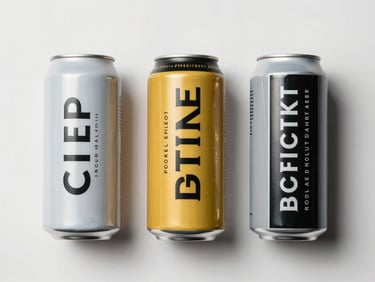
Overhead flat-lay of three competing beverage cans arranged in a row on a white studio surface, showing label typography and structural differences, clean strobe lighting, no people
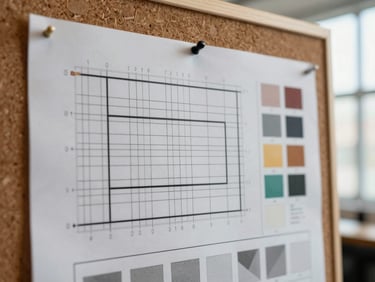
Close-up of a production proof sheet pinned to a corkboard, showing die-cut registration marks and spot-color swatches under natural window light, no people
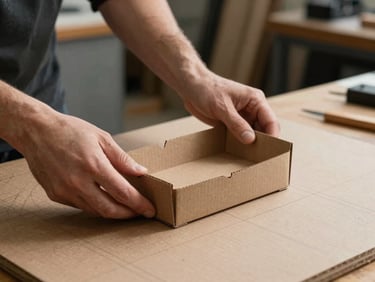
Hand holding a kraft-board folding carton mid-assembly on a studio worktable, structural score lines visible, clean strobe side-lighting, no faces
Shelf Behavior
Print Production
Structural Form

Why secondary shelf position kills repeat purchase

Spot color versus CMYK: a cost-per-unit decision

When the carton structure is the category disruption

Position two on the shelf isn't neutral—it actively suppresses re-selection. We break down the comp data and what structural form decisions reverse the disadvantage.

The choice between spot and process color isn't aesthetic—it's an economics problem. Run lengths, substrate, and retail margin all have a vote before the designer does.

Changing the opening mechanism or footprint can reframe a product's perceived tier. Three case studies where structural decisions outperformed graphic redesigns on velocity.

Ready to put this thinking to work?

We take on a limited number of projects each cycle. If your packaging needs to earn shelf space, let's talk scope.